
FAQ

Frequently Asked Questions

Get answers to the most common questions about spine surgery, neurosurgical care, and what to expect as a patient of Dr. Bennie W. Chiles III in Hartsdale, NY
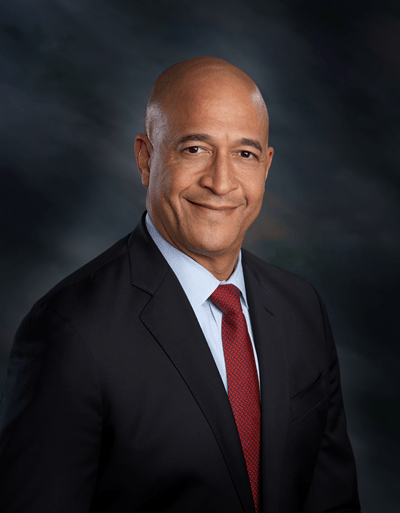
About Dr. Chiles & the Practice

Who is Dr. Bennie W. Chiles III?

Dr. Bennie W. Chiles III, M.D., F.A.A.N.S, F.C.N.S., F.A.C.S., is a board-certified neurosurgeon and fellowship training in complex spine surgury based in Hartsdale, New York. He has been in private neurosurgical practice in Westchester County since 1998 and has performed well over 4,000 major operative procedures. Dr. Chiles attended Harvard University and UCSF School of Medicine, and completed both his neurosurgery residency and fellowship in complex spine surgery at NYU Medical Center. He has been named a Castle Connolly Top Doctor in Neurosurgery seven consecutive years, from 2020 to 2026.
Neurosurgery Bronx NY

What is Westchester Spine & Brain Surgery?

Westchester Spine & Brain Surgery (WSBS) is a private, multi-hospital neurosurgical practice located in Hartsdale, NY, founded and led by Dr. Bennie W. Chiles III, M.D.. The practice specializes in surgical evaluation and treatment of conditions affecting the spine and brain, with emphasis on simple and complex operative spine problems. WSBS serves patients throughout Westchester County, the Bronx, Putnam, Rockland, Dutchess, and Orange Counties, as well as southern Connecticut.

What hospitals does Dr. Chiles operate at?

Dr. Chiles is an Attending Neurosurgeon at multiple hospitals throughout the region, including White Plains Hospital Center, New York-Presbyterian Westchester Hospital, Montefiore New Rochelle Hospital, Westchester Medical Center, St. John's Riverside Hospital (including the Dobbs Ferry Pavilion), and Stamford Hospital in Connecticut. This broad hospital affiliation means patients can often have their surgery performed at the facility most convenient or familiar to them.

Is Dr. Chiles accepting new patients?

Yes. Dr. Chiles welcomes new patients. You can request an appointment by calling our office at (914) 332-0396 or by submitting a contact request through our website at wsbsonline.com.

What makes Dr. Chiles uniquely qualified to treat spine conditions?

Dr. Chiles completed a combined Orthopedic-Neurosurgical fellowship in Complex Spine Surgery at NYU Medical Center — a dual-discipline training that is relatively rare and provides comprehensive understanding of both the neurological and structural aspects of spine disorders. He is board-certified by the American Board of Neurological Surgery, a Fellow of the American College of Surgeons (F.A.C.S.), a Fellow of the American Association of Neurological Surgeons (F.A.A.N.S), a Fellow of the Congress of Neurological Surgeons (F.C.N.S.), and a Clinical Assistant Professor in the Department of Neurosurgery at New York Medical College.

Has Dr. Chiles received any awards or recognition?

Yes. Dr. Chiles has been named a Castle Connolly Top Doctor in Neurosurgery/Spine Surgery seven consecutive years (2020–2026). Castle Connolly Top Doctors represent the top 7% of all U.S. practicing physicians; the designation is peer-nominated and cannot be purchased. He has also been featured in Westchester Magazine's annual Top Doctors issue and New York Magazine's Best Doctors issue for multiple consecutive years.

Service Area & Location

Where is Westchester Spine & Brain Surgery located?

Our office is located at 280 N. Central Avenue, Suite 235, Hartsdale, NY 10530 — centrally located in Westchester County and easily accessible from throughout the New York Metro area. Detailed directions are available on our website.

Do you treat patients from outside Westchester County?

Yes. While our office is in Hartsdale, we regularly see patients from the Bronx, Putnam County, Rockland County, Dutchess County, Orange County, and southern Connecticut. Dr. Chiles' affiliations with multiple hospitals across the region often allows patients to have their surgery performed at a facility convenient to them.

Is Dr. Chiles a neurosurgeon serving the Bronx?

Yes. Many of our patients come from the Bronx. Dr. Chiles is a Bronx native himself, raised largely in the Riverdale section, and our Hartsdale office is easily accessible from throughout the Bronx. Dr. Chiles also has hospital affiliations convenient to Bronx-based patients.

Do you serve patients in White Plains, Yonkers, and surrounding areas?

Yes. Patients from White Plains, Yonkers, New Rochelle, Scarsdale, Greenburgh, Mount Vernon, and other Westchester communities regularly see Dr. Chiles. Dr. Chiles is an Attending Neurosurgeon at White Plains Hospital Center, which serves much of central Westchester.

Conditions We Treat

What spine conditions does Dr. Chiles treat?

Dr. Chiles evaluates and treats a broad range of spinal disorders, including herniated discs (cervical, thoracic, and lumbar), spinal stenosis, radiculopathy, myelopathy, spinal deformities such as scoliosis, degenerative disc disease, spinal fractures and trauma, spinal tumors (primary and metastatic), spinal infections, and chronic neck and back pain with a surgical component.

What is a herniated disc, and how do I know if I have one?

A herniated disc occurs when the soft inner material of a spinal disc pushes through its outer layer, potentially pressing on nearby nerves or the spinal cord. Common symptoms include sharp or radiating pain in the neck, back, arms, or legs; numbness or tingling; and muscle weakness. Herniated discs are typically confirmed through MRI imaging. Not all herniated discs require surgery — Dr. Chiles evaluates each patient individually and always considers non-surgical options first when appropriate.

What is spinal stenosis?

Spinal stenosis is a narrowing of the spinal canal — the channel through which the spinal cord and nerve roots pass. As the canal narrows, it can compress the spinal cord or nerves, causing pain, weakness, numbness, or difficulty walking. It most commonly develops in the lumbar (lower back) or cervical (neck) region and is often age-related. Treatment ranges from physical therapy to surgical decompression.

What is radiculopathy?

Radiculopathy refers to symptoms caused by compression or irritation of a spinal nerve root. Depending on the affected level, it can cause pain, numbness, tingling, or weakness radiating into the arm (cervical radiculopathy) or leg (lumbar radiculopathy). It is commonly associated with herniated discs or spinal stenosis, and is sometimes called a "pinched nerve."

What is myelopathy, and is it serious?

Myelopathy is a condition in which the spinal cord itself is compressed or damaged, leading to dysfunction that can affect coordination, balance, strength, and fine motor control — particularly in the hands and legs. It is more serious than radiculopathy because the spinal cord has limited capacity to recover once damaged. Myelopathy often requires surgical decompression to halt progression. Early evaluation is important if you are experiencing clumsiness, difficulty with hand function, or an unsteady gait.

What are spinal tumors, and can Dr. Chiles treat them?

Spinal tumors are abnormal growths within or around the spinal cord and spinal column. They may originate in the spine (primary tumors) or spread from cancer elsewhere (metastatic tumors). Symptoms can include progressive pain, neurological deficits, and weakness. Dr. Chiles performs surgical removal of both primary and metastatic spinal tumors and coordinates care with oncology teams as needed.

Does Dr. Chiles perform brain surgery as well as spine surgery?

Yes. As a board-certified neurosurgeon, Dr. Chiles is trained and experienced in surgical evaluation and treatment of conditions affecting both the spine and the brain. While the practice's primary focus is on complex spine surgery, Dr. Chiles also evaluates and treats neurosurgical conditions of the brain.

When should I see a neurosurgeon for back or neck pain?

You should consider a neurosurgical consultation if your back or neck pain is severe, persistent, radiates into your arms or legs, is accompanied by numbness or weakness, or has not improved with conservative treatments such as physical therapy, medication, or injections. A consultation does not mean surgery is needed — it means you'll get a thorough evaluation and clear understanding of all your options.

When to Seek Urgent Care (Red Flags)

What spine symptoms require immediate medical attention?

Certain spine-related symptoms should be treated as medical emergencies and warrant immediate evaluation in an emergency room. These include sudden loss of bladder or bowel control, progressive weakness in the legs or arms, numbness in the groin or inner thighs (sometimes called "saddle anesthesia"), severe spine pain following trauma such as a fall or car accident, or sudden severe headache with neurological symptoms. These can indicate serious conditions such as cauda equina syndrome, spinal cord compression, or other neurosurgical emergencies. Do not wait for an outpatient appointment — go to an emergency room immediately.

What is cauda equina syndrome?

Cauda equina syndrome is a rare but serious neurological condition caused by severe compression of the bundle of nerve roots at the lower end of the spinal cord. Symptoms can include severe lower back pain, loss of bladder or bowel control, numbness in the saddle region, and weakness in the legs. It is considered a surgical emergency, and prompt decompression is critical to preserve neurological function. If you suspect cauda equina syndrome, go to an emergency room immediately.

Procedures & Surgery

What spine surgeries does Dr. Chiles perform?

Dr. Chiles performs a comprehensive range of procedures including discectomy, laminectomy, spinal fusion, spinal instrumentation, cervical artificial disc replacement, minimally invasive spinal surgery, computer-guided (navigated) surgery, spinal cord stimulator implantation, correction of spinal deformities, and removal of spinal tumors.

What is a discectomy?

A discectomy is a surgical procedure to remove a herniated or damaged portion of an intervertebral disc that is compressing a spinal nerve or the spinal cord. It is one of the most commonly performed spine surgeries and is typically indicated when a herniated disc causes significant pain, numbness, or weakness that has not responded to conservative treatment. Dr. Chiles performs both open and minimally invasive discectomy techniques.

What is a laminectomy?

A laminectomy is a surgical procedure in which the lamina — a section of the vertebral bone — is partially or fully removed to relieve pressure on the spinal cord or nerve roots. It is most commonly performed to treat spinal stenosis and may be done alone or combined with spinal fusion depending on the patient's anatomy and degree of instability.

What is spinal fusion, and when is it necessary?

Spinal fusion is a procedure in which two or more vertebrae are permanently joined together to eliminate motion between them. It is typically performed to treat instability, deformity, fractures, or conditions where motion at a spinal level is causing pain or neurological compromise. Hardware such as rods and screws is often used to stabilize the spine while bone fusion occurs. Recovery is longer than decompression-only procedures, and Dr. Chiles provides detailed recovery expectations during consultation.

What is cervical artificial disc replacement?

Cervical artificial disc replacement (disc arthroplasty) is a motion-preserving alternative to cervical spinal fusion. A damaged cervical disc is removed and replaced with a prosthetic implant designed to maintain natural neck movement and reduce stress on adjacent spinal levels. Dr. Chiles is experienced in this technique and discusses candidacy with appropriate patients.

What is minimally invasive spine surgery?

Minimally invasive spine surgery (MISS) involves performing spinal procedures through smaller incisions using specialized instruments and imaging guidance. Compared to traditional open surgery, benefits can include less blood loss, reduced muscle disruption, shorter hospital stays, and faster recovery. Not every patient or spine condition is a candidate for a minimally invasive approach — Dr. Chiles advises on the most appropriate technique for each patient's situation.

What is computer-guided spine surgery?

Computer-guided spine surgery uses real-time imaging technology — similar in concept to GPS navigation — to guide surgical instruments with precision during spinal procedures. This enhances the accuracy of hardware placement and reduces surgical risk. Dr. Chiles utilizes this technology as part of his commitment to state-of-the-art neurosurgical care.

Does Dr. Chiles always recommend surgery?

No. Dr. Chiles' fundamental philosophy is to help patients manage their condition without surgery whenever that is a reasonable option. Many spine conditions respond well to physical therapy, medication, injections, or activity modification. Surgery is recommended only when conservative treatment has not provided sufficient relief, when neurological problems are progressing, or when the condition poses a serious risk if left untreated.

Second Opinions

Does Dr. Chiles offer second opinions for spine surgery?

Yes. Dr. Chiles regularly evaluates patients seeking a second opinion on spine surgery recommendations they have received elsewhere. A second opinion can be valuable when you are facing a major surgical decision, when you want to confirm a diagnosis, or when you would like to explore whether non-surgical or alternative surgical options exist. We welcome these consultations and will provide an honest, independent assessment.

How do I get a second opinion from Dr. Chiles?

To request a second opinion, call (914) 332-0396 or submit a request through our contact page. We recommend bringing all relevant imaging studies (MRI, CT, X-rays), reports, and any prior surgical recommendations to your consultation so Dr. Chiles can give you the most informed assessment.

Is a second opinion covered by insurance?

Most insurance plans cover second-opinion consultations, particularly for major surgical decisions. We accept most major insurance plans. Please contact your insurance provider or our office at (914) 332-0396 to confirm coverage specific to your plan.

Your Consultation & Patient Experience

What should I expect at my initial consultation?

Your first appointment is a one-on-one evaluation with Dr. Chiles himself. The consultation includes a comprehensive review of your medical history, a focused physical and neurological examination, and a detailed review of your imaging studies — MRI, CT scan, or X-rays — reviewed together with you. The goal is to clearly define your condition and discuss all available treatment options in plain, understandable terms.

Do I need a referral to see Dr. Chiles?

In most cases, a referral is not required, though some insurance plans do require one from your primary care physician. We recommend checking with your insurer in advance.

What should I bring to my first appointment?

Please bring any MRI, CT scan, or X-ray images and reports; a list of your current medications; your insurance card and photo ID; completed new patient paperwork (available for download on our website); and any questions you have for Dr. Chiles.

How long will the consultation take?

Initial consultations typically take 45 minutes to one hour. Dr. Chiles takes the time to thoroughly review your history and imaging and to explain your condition and options in detail.

Can a family member come to the consultation with me?

Cervical artificial disc replacement (disc arthroplasty) is a motion-preserving alternative to cervical spinal fusion. A damaged cervical disc is removed and replaced with a prosthetic implant designed to maintain natural neck movement and reduce stress on adjacent spinal levels. Dr. Chiles is experienced in this technique and discusses candidacy with appropriate patients.

Insurance & Logistics

Does WSBS accept my insurance?

WSBS accepts most major health insurance plans. If you have a question about your specific plan, please call our office at (914) 332-0396 and our staff will be happy to help verify your coverage.

What are your payment policies?

Payments and co-payments are due at the time of service. The office accepts cash, checks, insurance assignments, and major credit cards.

How do I schedule an appointment?

Call us at (914) 332-0396 or submit a request at wsbsonline.com/contact/.

Recovery & Surgery Outcomes

How long is recovery after spine surgery?

Recovery varies by procedure and patient. A discectomy may allow return to light activity within a few weeks; spinal fusion can require several months. Dr. Chiles provides individualized, realistic recovery timelines and a clear postoperative plan for every patient.

Will I need physical therapy after surgery?

Physical therapy is often recommended following spine surgery to restore strength, flexibility, and functional movement. Dr. Chiles will advise on the appropriate timing and type of therapy based on the specific procedure performed.

What are the risks of spine surgery?

As with any surgery, spine surgery carries risks including infection, bleeding, anesthesia complications, nerve injury, and in rare cases, incomplete symptom relief. Dr. Chiles employs state-of-the-art techniques — including computer-guided surgery and minimally invasive approaches — to minimize risk and optimize outcomes. All risks and benefits are discussed thoroughly before any procedure.

Will spine surgery make me completely pain-free?

The primary goals of spine surgery are to relieve nerve or spinal cord compression, stabilize the spine, and improve neurological function and quality of life. Many patients experience significant or complete relief; outcomes depend on the specific condition, how long symptoms have been present, and individual factors. Dr. Chiles provides honest, realistic assessments of what surgery can and cannot achieve for each patient's situation.